Drone Warfare Is Reshaping Modern Conflict: From Ukraine’s Battlefield to Middle East Escalation
 Stacy Dotan
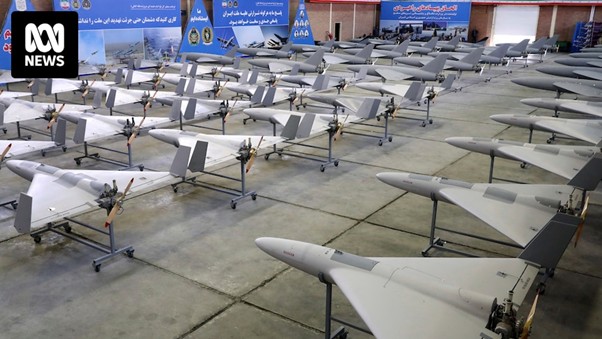
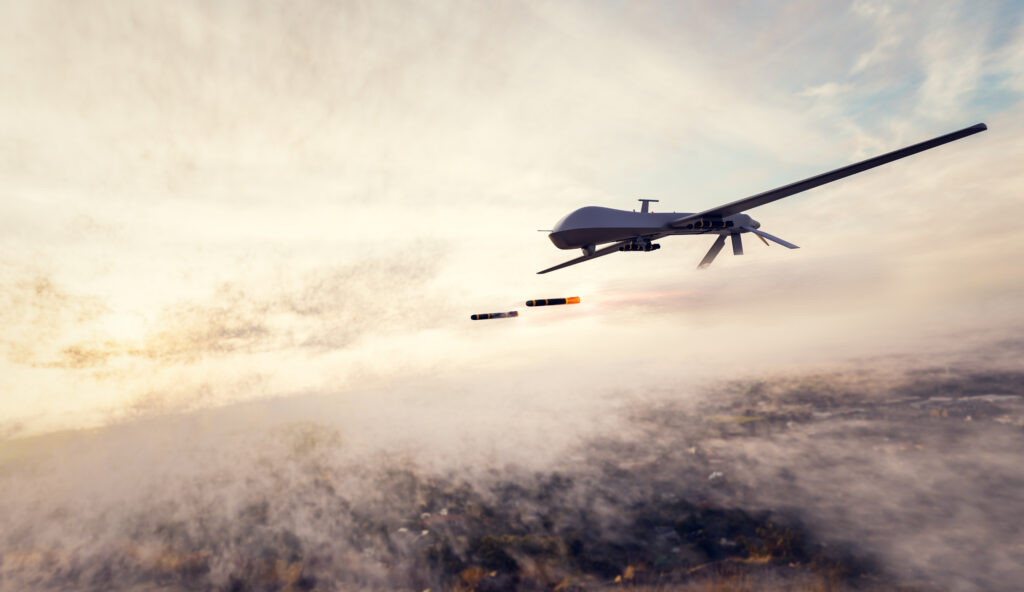
Drone warfare is rapidly reshaping the character of modern conflict. From the battlefields of Ukraine to rising tensions across the Middle East, unmanned aerial vehicles (UAVs) have become central instruments of surveillance, precision strikes, and asymmetric warfare.
What we are witnessing is not just tactical adaptation. It is a structural transformation of how wars are fought.
Ukraine-The World’s Largest Drone Warfare Battlefield
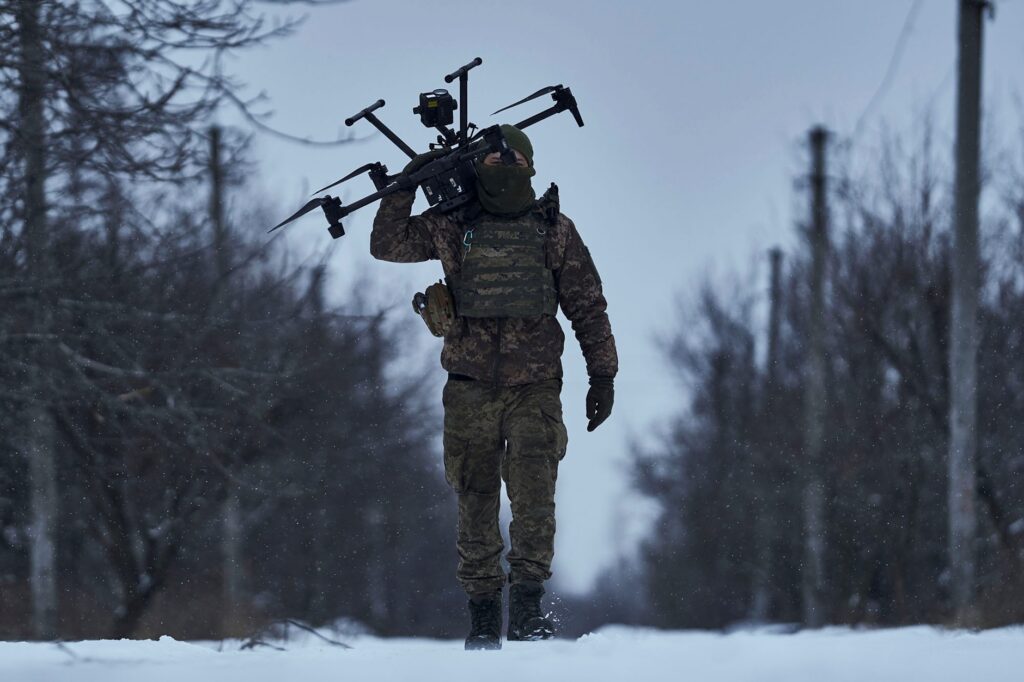
The war in Ukraine has become the largest real-world laboratory for drone warfare demonstrating the unprecedented scale at which drones are now being deployed. Both Ukrainian and Russian forces rely heavily on small FPV (first-person view) attack drones, many of which are modified commercial platforms adapted to carry explosives. Ukrainian officials have indicated that thousands of these drones are produced and deployed every month, targeting armored vehicles, artillery systems, and frontline positions. The widespread use of inexpensive FPV drones has fundamentally altered battlefield dynamics, allowing relatively low-cost systems to destroy high-value military equipment and forcing both sides to invest heavily in electronic warfare and counter-UAV technologies.
Key Developments:
- Mass deployment of Iranian-designed Shahed-136 loitering munitions by Russia
- Widespread use of FPV (First Person View) attack drones by Ukrainian forces
- Rapid innovation cycles driven by battlefield adaptation
- Heavy reliance on electronic warfare and counter-drone systems
Cheap drones are now destroying tanks worth millions. That asymmetry is redefining cost structures in warfare.
The lesson is clear:
Volume + affordability + adaptability beats traditional air dominance.
Iran’s Expanding Drone Doctrine
Iran has invested heavily in UAV programs for over a decade. Today, it is one of the world’s most active drone exporters.The widespread use of Iranian-designed drones in the war in Ukraine has further demonstrated the strategic value of this model. Since 2022, Russia has repeatedly launched Shahed-131 and Shahed-136 loitering munitions against Ukrainian cities, energy infrastructure, and military targets. These drones are often deployed in coordinated waves intended to saturate air defence systems, forcing defenders to expend significant resources intercepting relatively inexpensive aerial threats.
Iran’s strategy focuses on:
- Long-range loitering munitions such as the Shahed-136, capable of striking targets hundreds or even thousands of kilometers away.
- Proxy distribution to allied militias, including Hezbollah in Lebanon and Houthi forces in Yemen, extending Iran’s aerial reach across multiple fronts.
- Low-cost, high-volume manufacturing, allowing drones to be produced and deployed in large numbers.
- Saturation attacks designed to overwhelm air defences, designed to overwhelm traditional air defence systems through simultaneous multi-drone strikes.
Iranian drone doctrine emphasizes low-cost, replaceable systems – platforms inexpensive enough to lose but effective enough to penetrate defences through volume and persistence. By deploying large numbers of relatively simple UAVs, attackers can create a cost imbalance that forces defenders to use far more expensive interception systems.
This approach has influenced both state and non-state actors and is reshaping how aerial power is projected in modern conflict.
The defining feature of modern UAV warfare is not just precision, it is saturation.
Hezbollah and the Democratization of Air Power
Hezbollah has increasingly integrated UAVs into its operational toolkit, using drones for both surveillance and limited strike operations along Israel’s northern border. Over recent years, the group has launched reconnaissance drones across the border to gather intelligence and test Israeli air defences, while also demonstrating the ability to conduct limited aerial attacks using explosive-laden UAVs.
Drones provide Hezbollah with several operational advantages:
- ISR (Intelligence, Surveillance, Reconnaissance)
- Cross-border psychological pressure
- Precision attack capability
- Strategic signalling without full-scale escalation
What makes this dangerous is not technological sophistication – it’s accessibility. What UAV technology has lowered the barrier to aerial capability, enabling non-state actors to field platforms that were once the exclusive domain of national air forces. As drones become cheaper, easier to acquire, and simpler to modify, groups such as Hezbollah can expand their aerial capabilities without the infrastructure traditionally required for conventional air power.
The Era of Saturation & Swarm
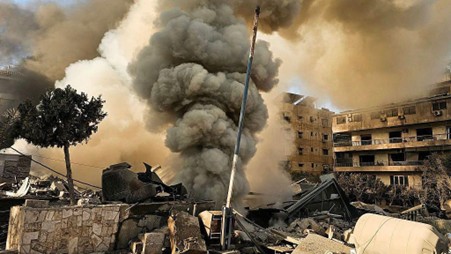
Rather than relying on a small number of advanced aircraft, attackers are increasingly deploying large numbers of inexpensive aerial systems simultaneously. These operations may involve:
• Dozens of loitering munitions launched in coordinated waves
• Swarm tactics, where multiple drones attack from different directions
• Mixed payload attacks, combining drones with rockets or missiles
• Combined kinetic and electronic operations, designed to disrupt sensors and communications while strikes are underway
Traditional air defense systems were designed primarily to detect and intercept fast-moving aircraft and ballistic threats.
They were not built to address the characteristics of modern UAV threats, which often include:
• Low radar cross-sections
• Low-altitude flight profiles
• High-volume simultaneous launches
• Autonomous or pre-programmed navigation
This mismatch between emerging aerial threats and legacy defense architecture has created a growing vulnerability for both military forces and critical infrastructure worldwide.
Traditional air defense systems were built for aircraft and ballistic threats.
Why Counter-Drone Systems Are Becoming Critical
The Defense Imperative
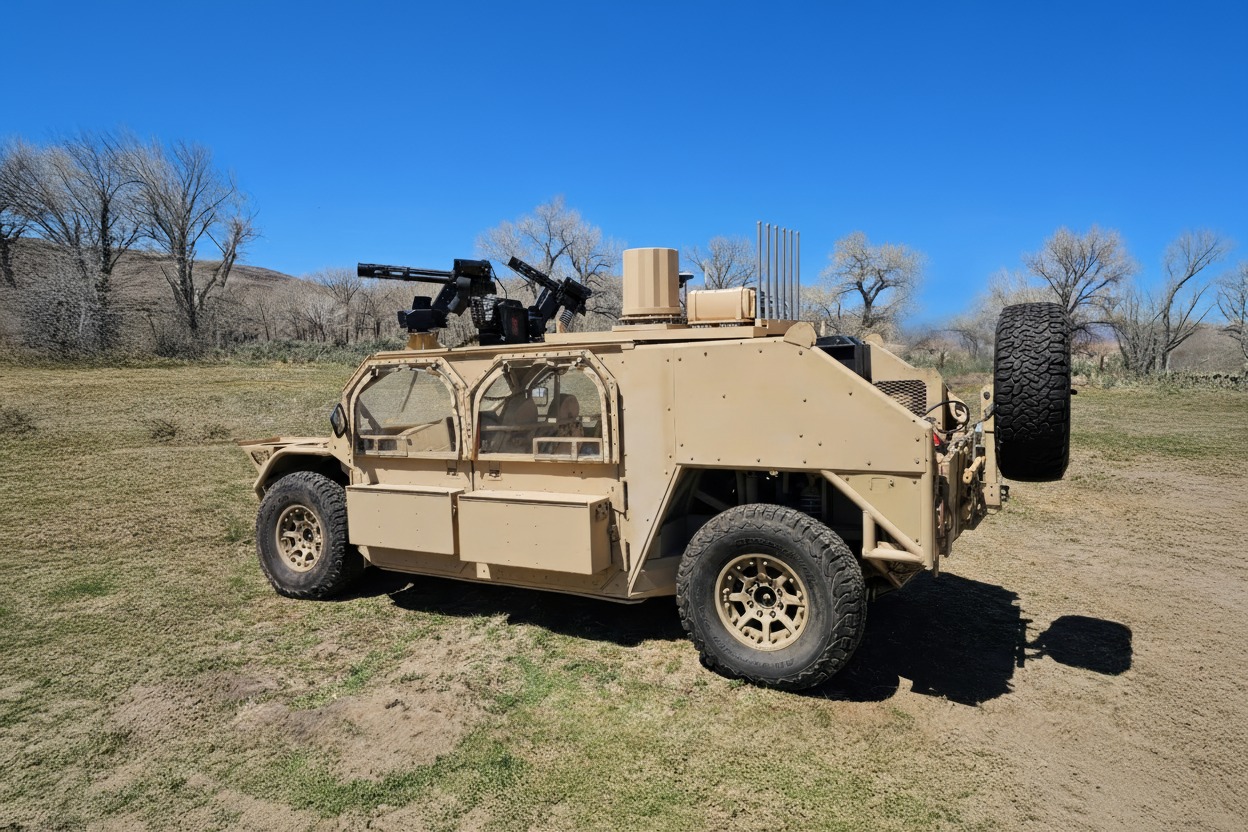
For governments, militaries, and operators of critical infrastructure, the implications are clear: the drone threat is scalable, persistent, and rapidly evolving. Defense systems must be able to scale with it.
Effective counter-UAS architecture requires a layered approach that combines:
The drone threat is scalable.
Defense must be scalable too.
Effective Counter-UAS requires:
- Persistent detection capable of identifying low-altitude aerial threats
- Multi-sensor fusion to accurately classify and track UAVs
- Low-altitude tracking in complex environments
- Electronic mitigation to disrupt hostile drones
- Integration with command and control systems to enable rapid response
Drone warfare is not a future scenario. It is today’s operational reality.
The real question is whether defenses are prepared for a world where low-cost drones can be deployed at scale.
Understanding the evolving UAV threat landscape is essential for governments, defense organizations, and infrastructure operators seeking to strengthen aerial security in an era of rapidly expanding drone use.