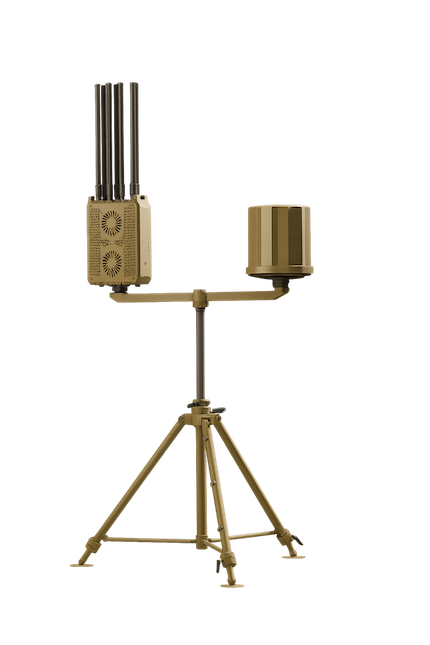
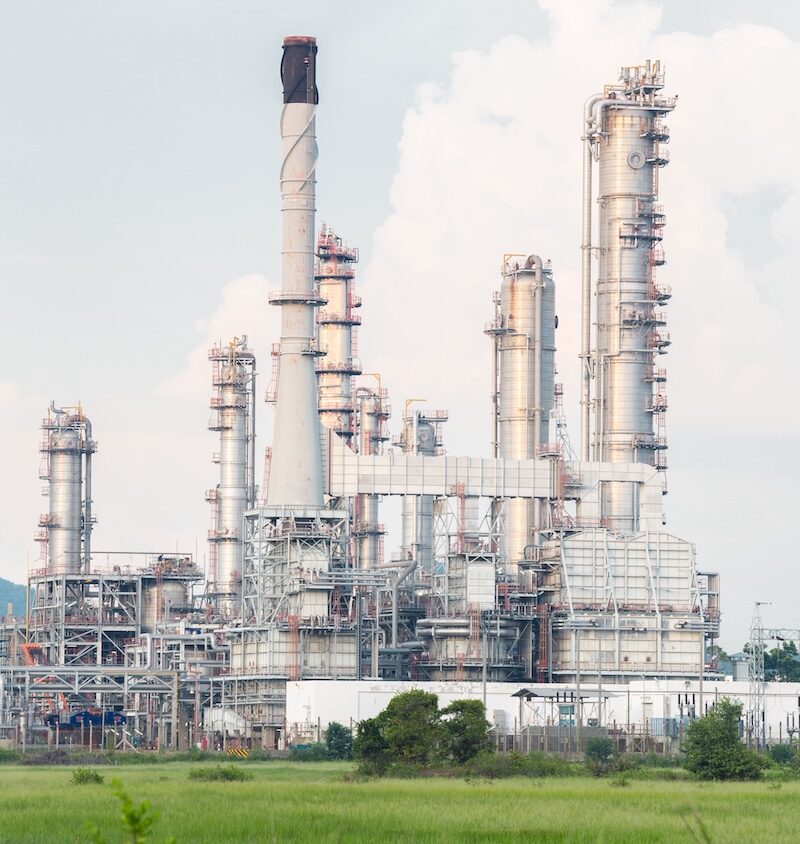
Critical Infrastructure
Power plants, communication hubs, energy facilities, transport terminals and government compounds face an expanding spectrum of unmanned aerial threats.
The widespread availability of low-cost commercial drones combined with increasingly sophisticated UAV platforms capable of autonomous routing and payload deployment, enables hostile actors to conduct surveillance, deliver contraband or explosives, disrupt operations and target national assets with alarming precision.
As these threats evolve faster than traditional security measures can adapt, protecting critical infrastructure requires multi-sensor, rapid-response Counter-UAS capability engineered for continuous, high-assurance airspace security.
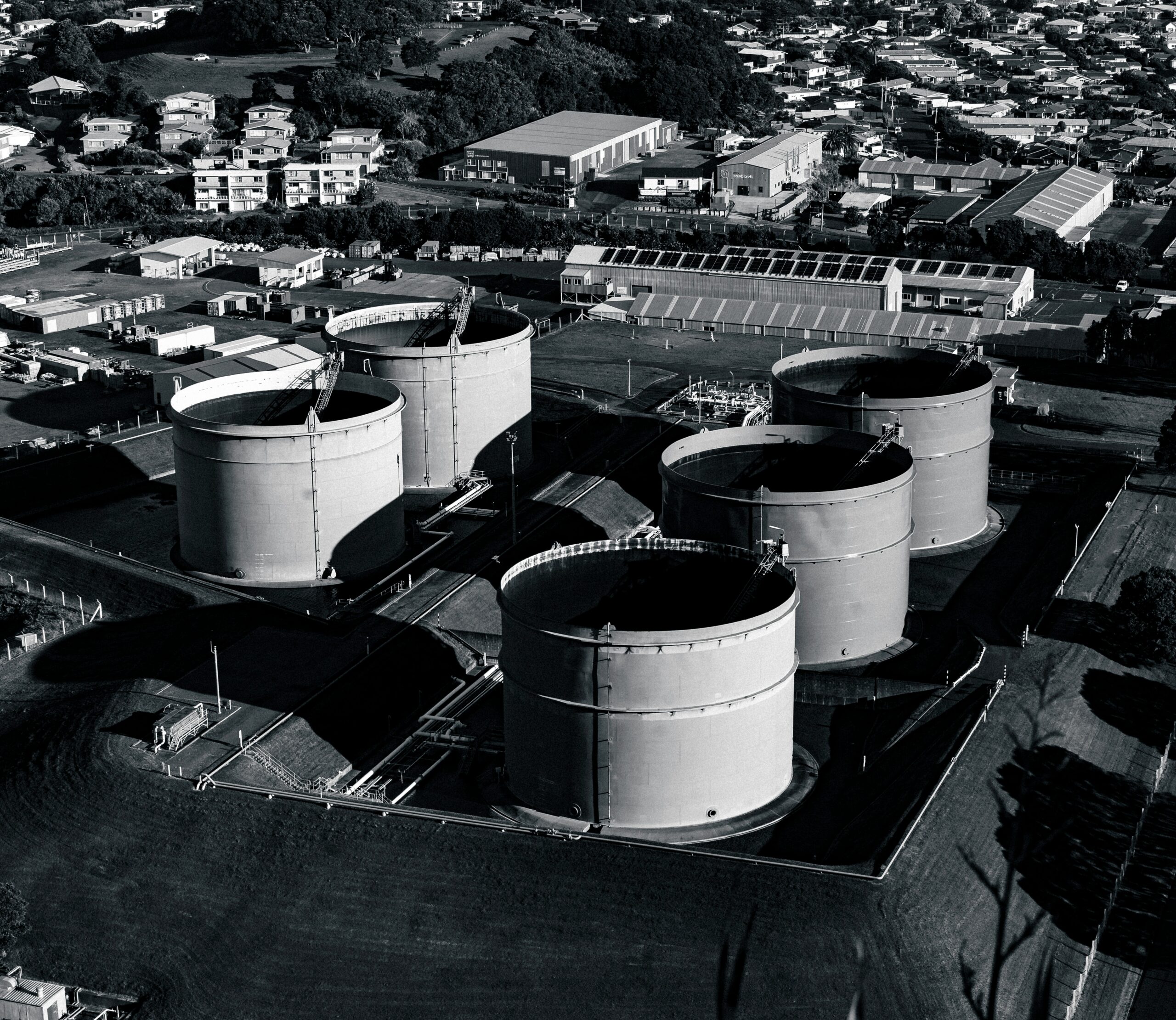
Recent years have underscored how vulnerable national infrastructure has become to unmanned threats.
The drone attack on Saudi Aramco’s Abqaiq facility demonstrated how low-cost platforms can inflict strategic-level damage, disrupt global energy supply and bypass conventional defenses.
In the Ukraine–Russia conflict, coordinated UAV strikes on power stations and critical utilities further revealed how drones are now a central tool in hybrid warfare.
These events highlight a harsh reality: even the most fortified infrastructure can be compromised by inexpensive, improvised, or militarized UAVs operating below radar and beyond traditional security frameworks.
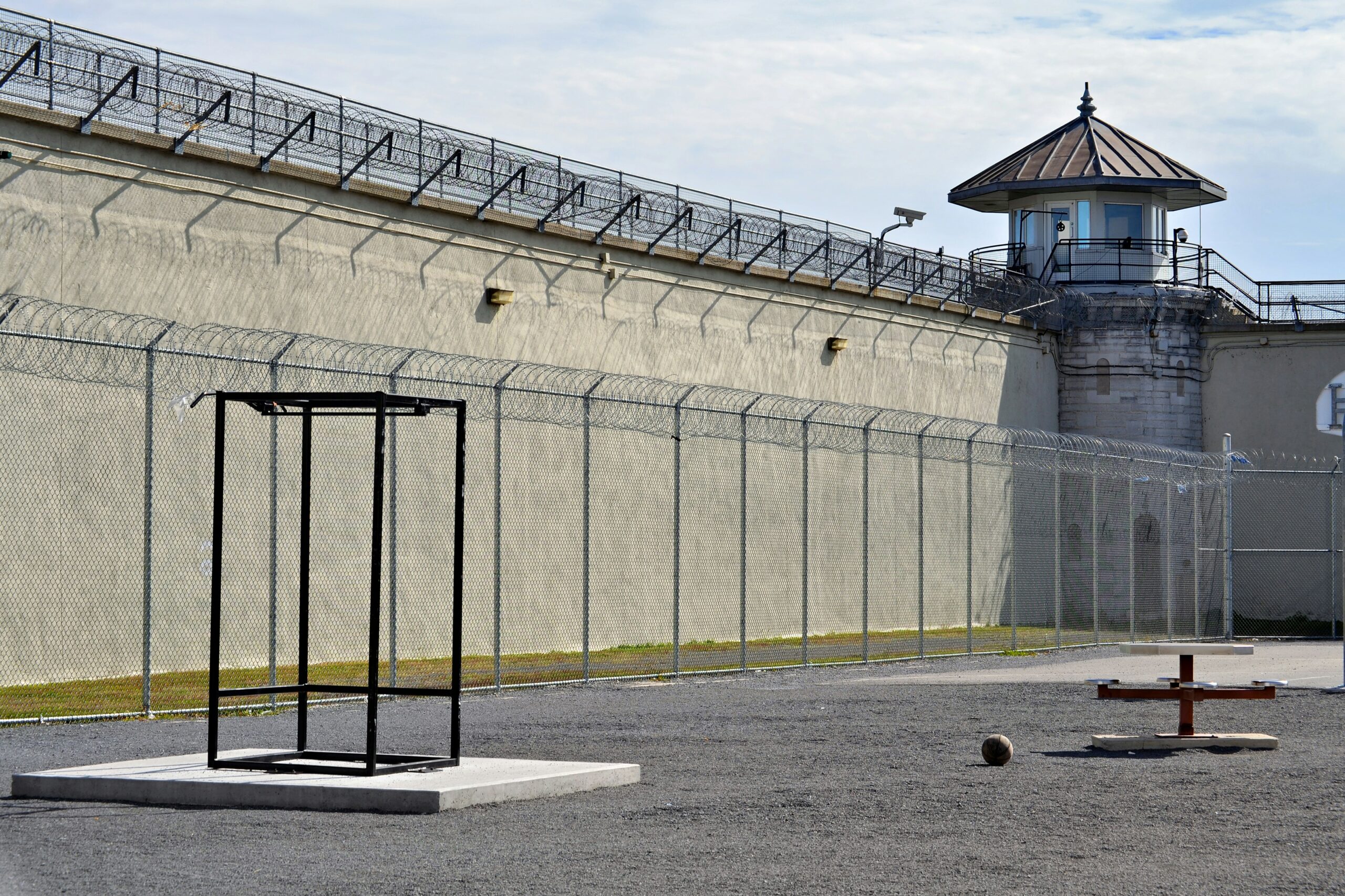
Correctional facilities around the world are increasingly targeted by drones used for contraband delivery, illicit surveillance, and interference with security operations. Even small, commercially available UAVs can bypass perimeter defenses, disrupt communications, and compromise public safety.
More advanced threats including coordinated drone swarms, reconnaissance missions, and cyber-enabled UAVs can overwhelm traditional security layers and exploit blind spots. Protecting critical infrastructure now demands a layered, technology-driven defense that delivers persistent situational awareness, rapid threat verification, and coordinated, automated response.
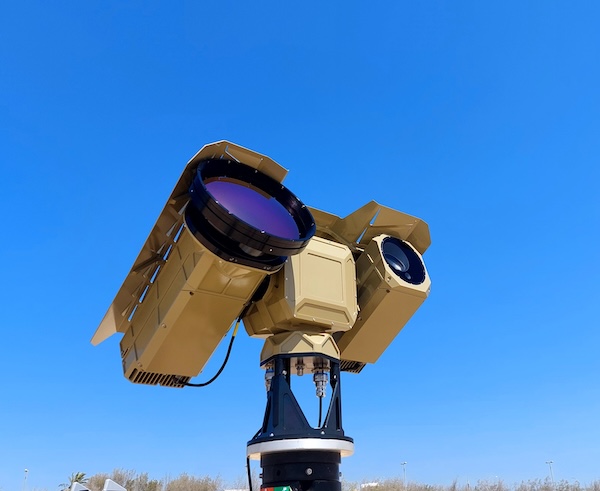
Skylock’s Counter-UAS systems deliver real-time detection, identification, and neutralization of hostile drones across large, mission-critical facilities. Multi-sensor fusion, AI-driven threat classification, and an integrated C2 framework enable rapid decision cycles, low false-alarm rates, and full alignment with safety and regulatory standards.
With scalable, modular configurations, Skylock protects airports, energy networks, data centers, correctional facilities, government compounds, and industrial zones strengthening national resilience and preserving operational continuity against the full spectrum of evolving aerial threats.