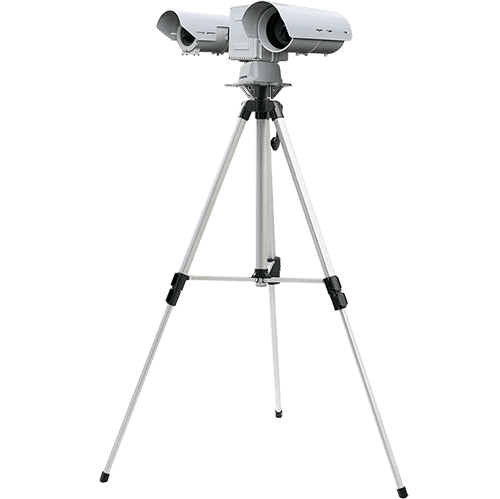

Maritime Counter-UAS Protection
Modern UAVs now bypass traditional surveillance layers across maritime and border environments, conducting low-altitude reconnaissance of ports, naval bases, and frontier zones while remaining difficult to detect.
From ISR-driven intelligence gathering to weaponized or swarm-configured platforms, these threats expose critical vulnerabilities in coastal, littoral, and land-border security frameworks.
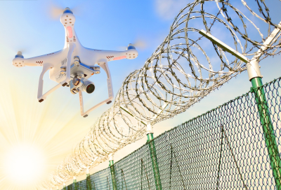
Evolving Border Airspace Threats
Unmanned systems are now a primary tool for smuggling, reconnaissance, and infiltration along national borders, bypassing traditional patrols and ground sensors. Advanced UAVs further conduct ISR, map surveillance coverage, track force movements, and execute electronic attack, degrading situational awareness and increasing operational risk for defense and homeland-security forces.

Ports Are No Longer Perimeters. They’re Airspace.
Ports and maritime facilities face increasing risk from unmanned aerial threats. UAVs can jam or spoof GPS and AIS, disrupt port operations and target vessels, naval assets and offshore infrastructure.
Hostile and criminal actors exploit maritime clutter, low altitude, and low-visibility conditions to conceal surveillance, smuggling or sabotage.
Large, distributed assets-ports, oil terminals and offshore platforms are difficult to monitor continuously, conventional sensors often fail to detect slow, low-flying drones. These gaps create real operational risk including shutdowns, collisions, fires and security breaches.
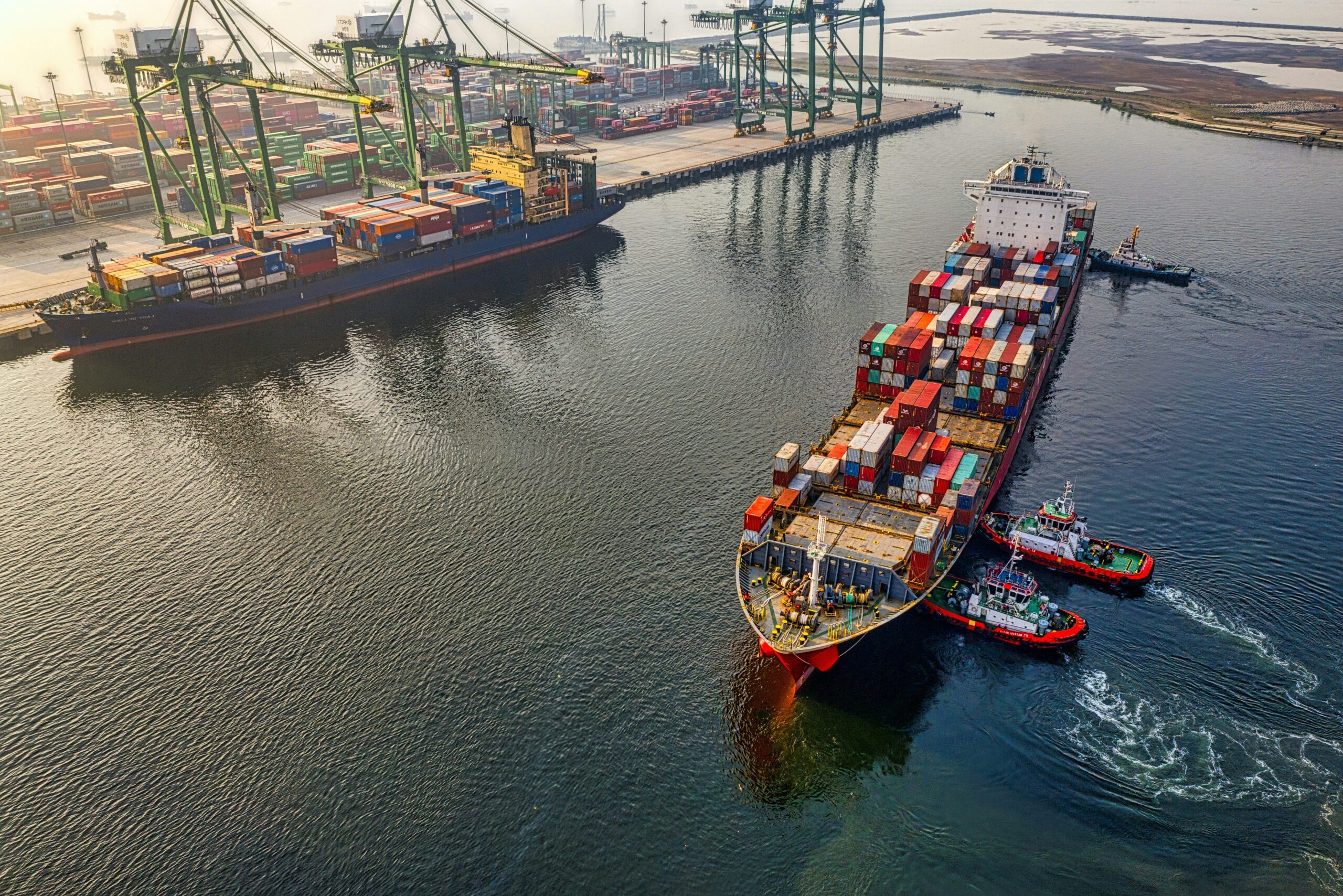
Protecting Ports and Offshore Assets from Aerial Threats
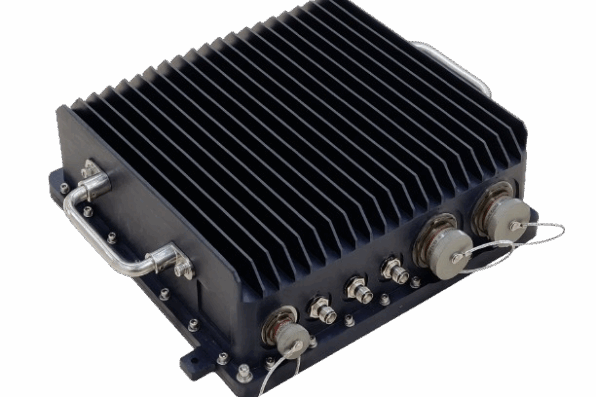
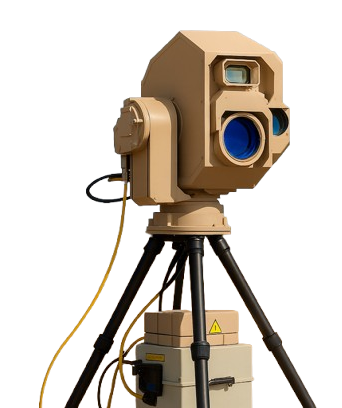
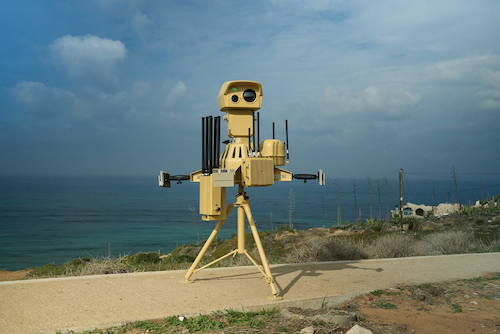
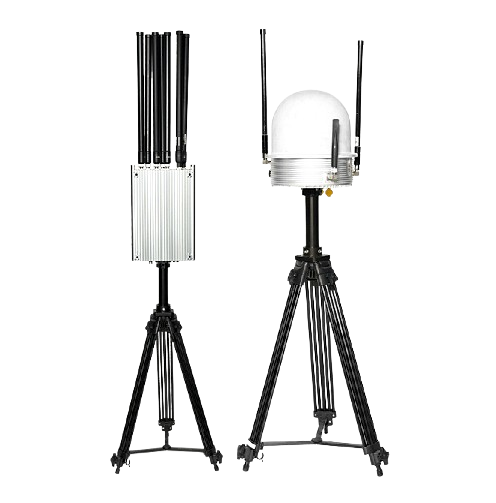
Skylock delivers maritime-optimized C-UAS configurations designed for persistent detection, identification, and mitigation in complex sea and port environments. Scalable architectures support ports, naval bases, and offshore platforms, enabling continuous protection under maritime clutter, low-visibility conditions, and demanding operational environments.